

When Nitrogen Performance Fails, the Root Cause Is Often Overlooked
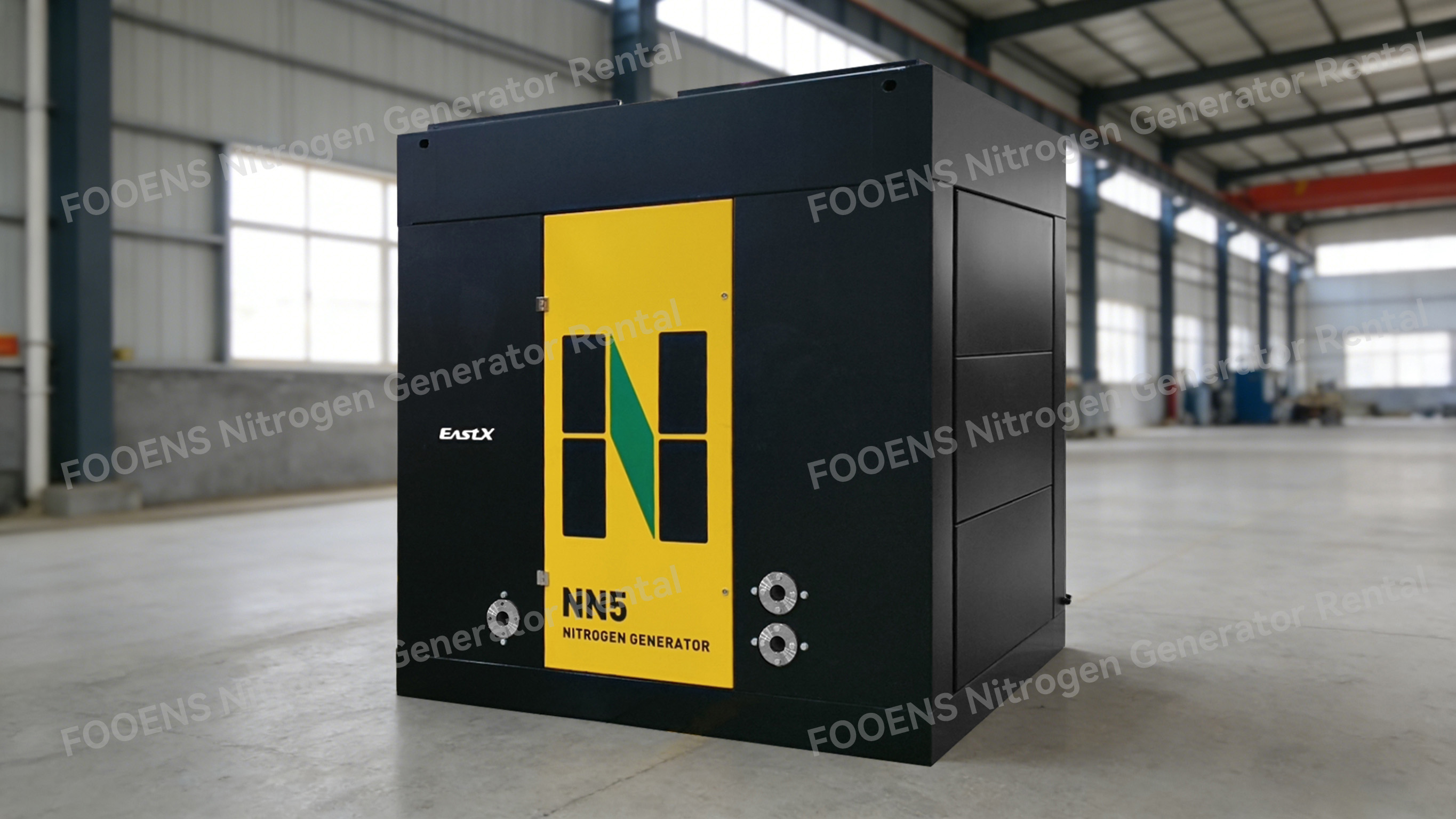
In on-site operations, when nitrogen purity fluctuates or supply becomes unstable, attention is often immediately directed toward the nitrogen generator itself. However, from a system engineering perspective, nitrogen generation is not an isolated process.
Whether using PSA or membrane separation technology, a nitrogen generator always processes air that has already been compressed and partially treated. In many cases, the performance ceiling of a nitrogen system is already determined before the air ever enters the generator.
Ⅰ. Compressed Air Quality Determines Long-Term Nitrogen Stability
Moisture content is one of the most fundamental—and most frequently underestimated—factors affecting nitrogen systems. Once residual moisture enters the nitrogen generation process, it continuously interferes with gas separation.
In PSA systems, water vapor preferentially occupies adsorption sites, reducing effective oxygen separation and leading to purity instability or gradual performance degradation.
In membrane systems, moisture and condensation alter gas permeation characteristics, lowering separation efficiency and accelerating membrane aging.
If upstream drying and air treatment are insufficient, a nitrogen system may appear functional during initial operation, but sustaining long-term reliability becomes difficult.
Ⅱ. Pressure Stability Is the Foundation of Consistent Nitrogen Purity
Nitrogen systems are not designed to tolerate frequent pressure fluctuations. PSA nitrogen generation relies on stable inlet pressure to maintain consistent adsorption and desorption cycles. Once supply pressure varies continuously, nitrogen purity will inevitably drift.
Membrane systems are equally sensitive to pressure differentials. Insufficient pressure directly limits nitrogen output, while frequent pressure changes cause long-term operation outside the intended design range.
When the compressed air system lacks proper pressure regulation, forcing the nitrogen generator to absorb these fluctuations effectively shifts system-level problems onto separation equipment that was never intended to manage them.
Ⅲ. Air Supply Continuity Often Fails Before Purity Does
In many applications, the earliest issue is not insufficient purity but unstable operation—fluctuating nitrogen output, frequent mode switching, and poor synchronization with downstream demand.
These problems typically originate on the compressed air side: frequent equipment cycling, insufficient buffering, or limited flow regulation capability. A nitrogen generator cannot stabilize inconsistent inlet conditions; instead, it amplifies them, ultimately compromising overall supply reliability.
Conclusion: Nitrogen Generation Is Fundamentally a System Engineering Task
Nitrogen performance is rarely determined by a single piece of equipment. Air quality, pressure stability, and air supply continuity form the foundation for reliable, long-term nitrogen system operation.
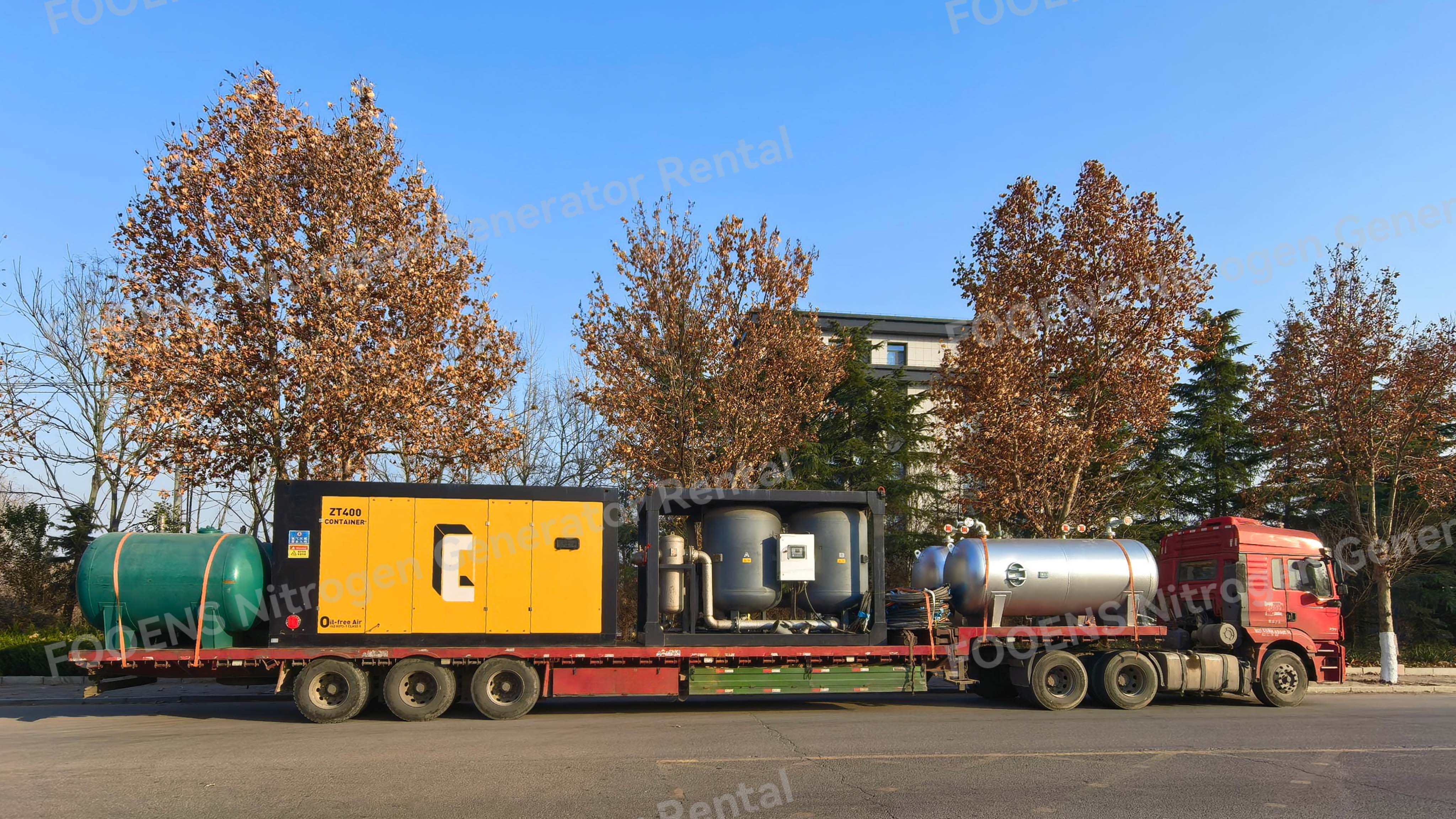
From a system engineering standpoint, FOOEN does not provide nitrogen generators as standalone machines. Instead, we deliver integrated gas system solutions that coordinate compressed air supply, air treatment, and nitrogen generation—solutions that can be adjusted to match on-site operating conditions.
Only by establishing control at the air system level can nitrogen performance remain stable, predictable, and sustainable.Tell us what you need
We'll help you find what's right for you
 15810981240